
.svg)
Pen and paper bid sheets had a good run. If you're still using clipboards and pencils at your silent auction, you're leaving money on the table, and a lot of it.
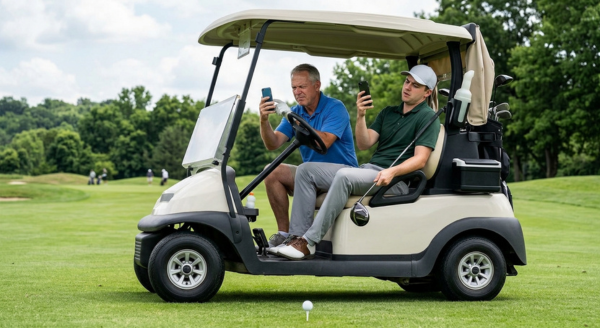
Mobile bidding platforms let your golfers place bids from wherever they are on the course. A player on hole 14 who's watching two competitors inch toward that weekend getaway package can raise their bid from the cart without missing a shot. That's not possible with a clipboard sitting on a table back at the clubhouse.
The core problem with paper auctions is visibility. When a bid sheet is across the room, most golfers won't walk over to check it repeatedly.
They make one bid early in the day and move on. The item sells for whatever that last person wrote down, which is almost never its actual ceiling.
Mobile bidding changes the behavior entirely. When your platform sends an "outbid" notification to a donor's phone, that person re-engages with the item immediately. They don't need to be in the room, and they don't need to remember to check the sheet. According to Handbid's complete guide to silent auctions, auctions using mobile bidding raise an average of 43% more per event than their paper-based counterparts.
One of the most overlooked advantages of mobile bidding is the ability to include people who aren't physically at the event. A board member who couldn't attend, a past sponsor who moved away, or a major donor traveling for work can all bid in real time.
This matters most for high-value items. A private golf lesson, a weekend golf getaway, or a premium piece of signed memorabilia can attract serious bids from outside your room. Open the auction 24 to 48 hours before the event and promote it to your full email list, not just registered golfers. BidBeacon's guide to golf tournament fundraisers specifically calls out remote bidding access as one of the highest-return upgrades an event can make to its auction.
The competitive element of mobile bidding is what drives prices up. Most platforms support maximum-bid functionality, where a donor sets the highest amount they're willing to pay and the system automatically outbids competitors on their behalf up to that ceiling.
Set your starting bids at 30 to 40 percent of fair market value to give that first competitive push room to run. Items that open too close to retail stall out because there's no room to fight. Items that open low create the perception of a deal, pull in more early bids, and generate the competitive momentum that takes prices well past what you'd expect.
Checkout is where paper auctions lose the most time and sometimes the most money. Long lines at the end of the night lead to people quietly skipping out, especially after a full day on the course.
Mobile bidding platforms handle payment collection automatically when the auction closes. Winners get notified immediately and can pay from their phone before they leave their seat. No lines, no paper invoices, no chasing down winners who said they'd "come back later."
Put your best three to five items on display at registration so golfers see them before they head to the course. A visual reminder early in the day creates the mental anchor that keeps people checking bids throughout the round.
Send two announcement reminders via the platform's messaging feature: one when 30 minutes remain and one when 5 minutes remain. The final countdown push almost always produces a flurry of late bids on competitive items, and it's the single most effective operational move you can make to maximize results.