
.svg)
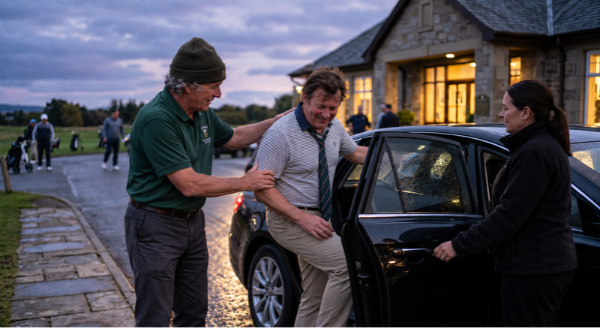
Every charity golf outing has a few people who may drink too much. You already know who they are, or you will by the turn.
That is not a moral failure. It is an event-day logistics problem, and you can plan for it the same way you plan for rain delays and missing raffle tickets.
Build your plan before the first beer cart rolls out. If you wait until someone is swaying on a tee box, you are improvising under pressure, and improvisation is how bad decisions get made.
Write down three things before the event:
Share that plan with your day-of leads, not just your committee chair. The people walking the course need it more than the people sitting in the clubhouse.
Your volunteers do not need to be therapists. They need a short briefing and a clear escalation path.
Before the shotgun, spend five minutes covering what to watch for: slurred speech, repeated cart bumps, arguments that escalate fast, or a golfer who stops tracking the group. The goal is early notice, not a public confrontation.
Pair that briefing with one rule. Volunteers report to a named lead. They do not lecture players on the tee.
California’s model alcohol management policies for special events stress trained servers, no drinking on duty, and management support when staff refuse service. Borrow that mindset for volunteers even if they are not pouring drinks. They are your early warning system.
Give each marshal a simple script. “Hey, let’s get you some water and a ride back to the clubhouse” works better than a debate about how many beers someone has had.
Course staff have seen every version of this story. Use that experience instead of inventing your own protocol at 3 p.m.
Ask the pro shop or F&B manager, in advance:
If your course uses trained servers, lean on them. The Texas Alcoholic Beverage Commission’s event safety guidance recommends certified sellers, clear refusal procedures, and a plan for notifying security or management when a patron needs intervention. Your job is to make sure your volunteers know how to reach that chain quickly.
Safe rides are not a nice-to-have. They are the exit ramp that keeps a long day from becoming a liability story.
Put rideshare instructions in the golfer welcome email and on a small card at check-in. Include the clubhouse address, the pickup spot, and a reminder that rideshare is normal at this event.
Better yet, assign one volunteer as the “ride desk” from the awards hour through the last guest leaving. Their only job is helping people get a car, confirming pickup location, and walking guests to the curb if needed.
Also identify a few designated drivers among volunteers or dinner-only guests. Offer them free soft drinks, a meal, and public thanks. People will raise a hand if you make the ask early instead of hunting for a sober driver in the parking lot.
If your field is large enough, a shared shuttle or charter drop-off and pickup removes a lot of risk in one move. Even a two-van loop from the clubhouse to a nearby hotel or parking lot helps.
This plan works best when it feels operational, not parental. You are protecting guests, volunteers, the course, and your cause. You are not running a seminar.
Skip the jokes about “that guy” in the player meeting. Skip the lectures, too. State the logistics once: we want everyone home safe, here is how rides work, and marshals will help if someone needs a break from the course.
When you do need to step in, keep it private, calm, and short. Offer water, food, a cart ride in, and a ride home. Leave the moral commentary for another day.
Document anything notable after the round ends. A one-paragraph note about what happened and how it was handled helps next year’s committee more than a vague memory of “someone got messy on 14.”
Add three lines to your day-of checklist:
That is the whole plan. Assume a few people will overdo it, give volunteers a way to spot trouble early, partner with the course, and get everyone home. Do those four things, and you can keep the outing fun without pretending risk does not exist.